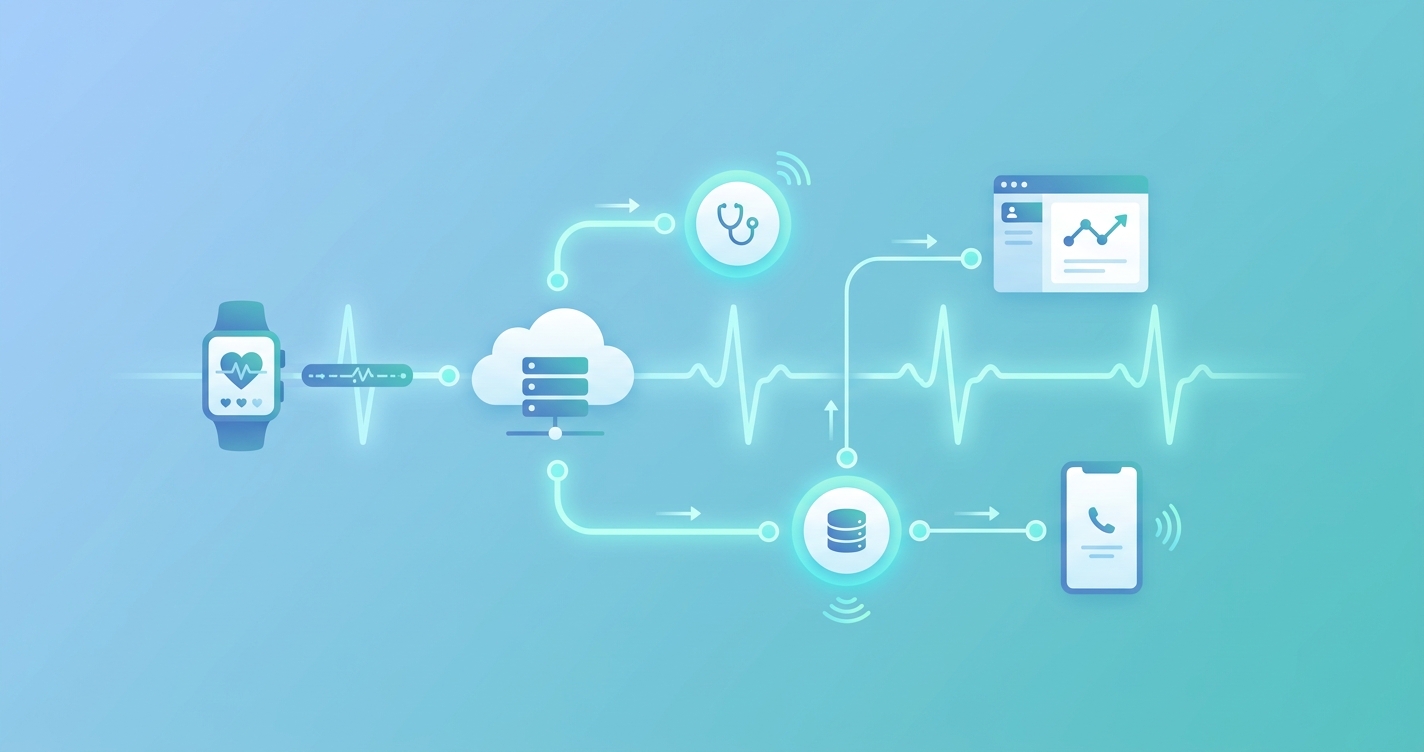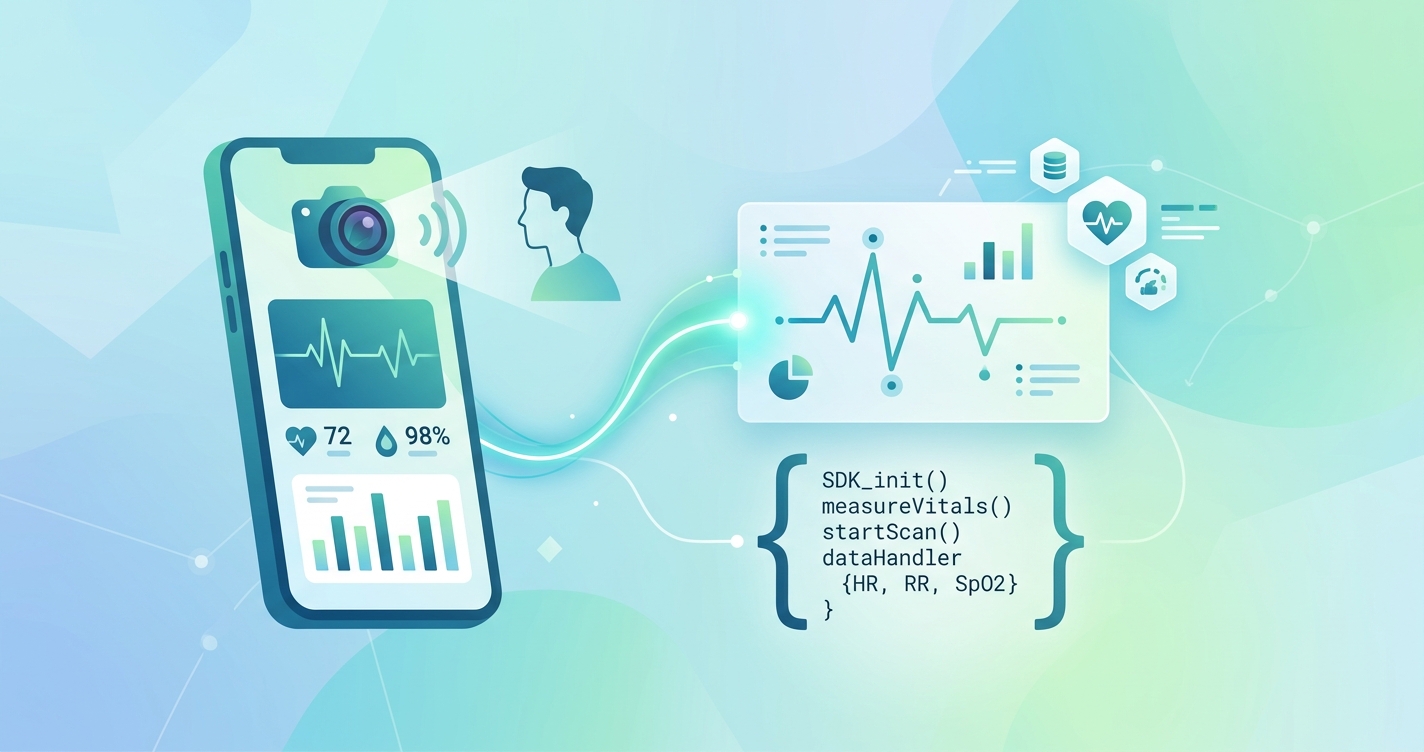

How does an rPPG SDK actually work under the hood?
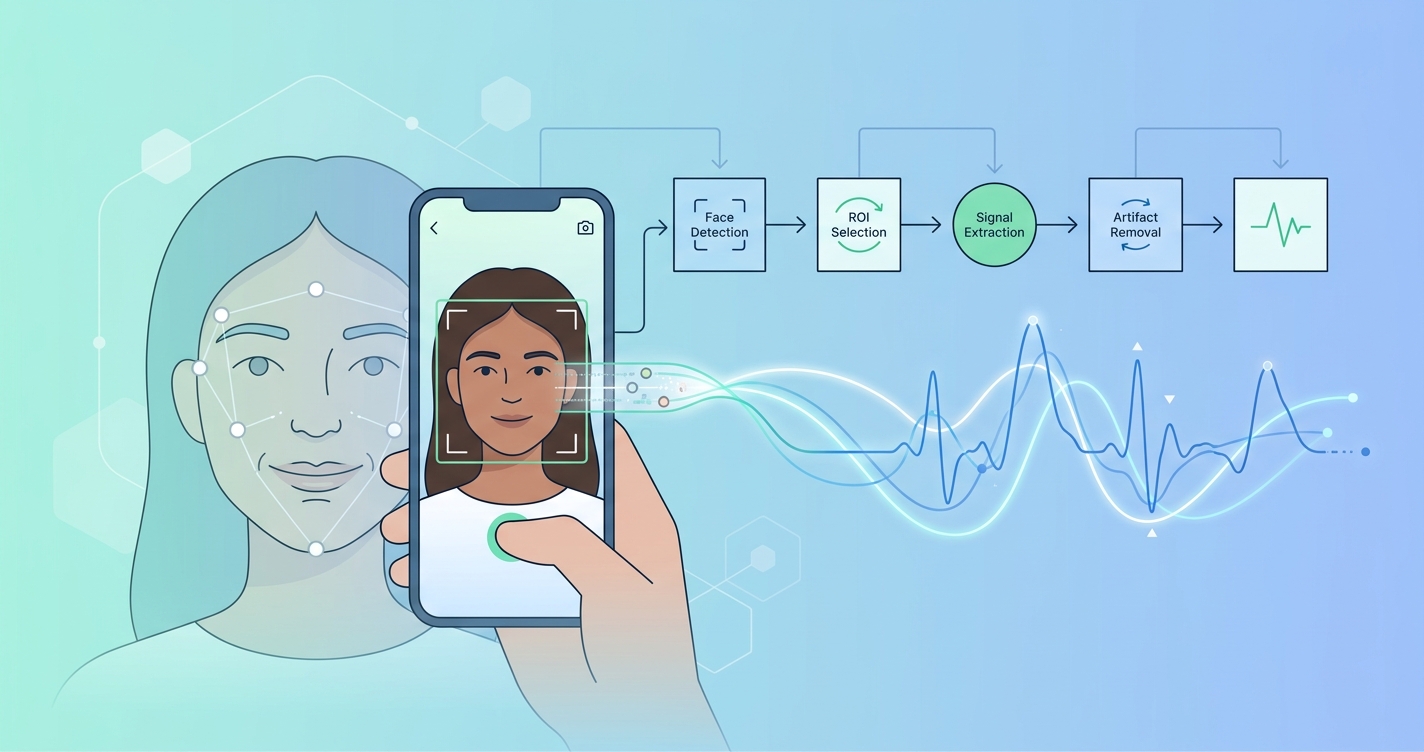
rPPG SDK how it works under the hood: face tracking, ROI selection, signal extraction, filtering, and on-device inference for contactless vitals apps.
Insights on health technology, vitals monitoring, and wellness from the GetCircadify team.

rPPG SDK how it works under the hood: face tracking, ROI selection, signal extraction, filtering, and on-device inference for contactless vitals apps.

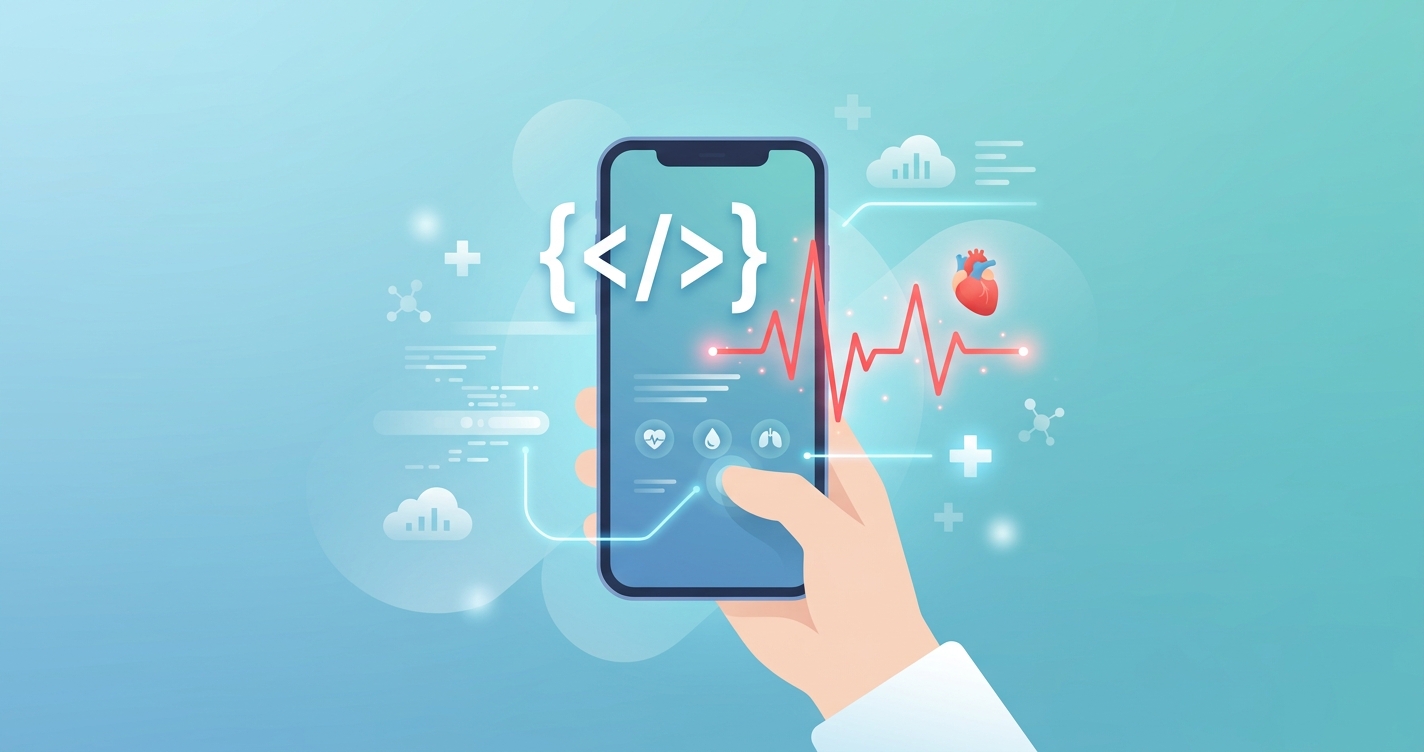
Can you add heart-rate monitoring to an app in a weekend? A research-based look at rPPG SDK integration scope, prototype timelines, and production tradeoffs.

Five rPPG SDK integration mistakes that quietly break production deployments, from ignoring ambient light to skipping device-specific testing. Here is how to avoid them.

Insurtech platforms are integrating vital signs APIs to replace paramedical exams and accelerate life insurance underwriting. Here is how the architecture works.

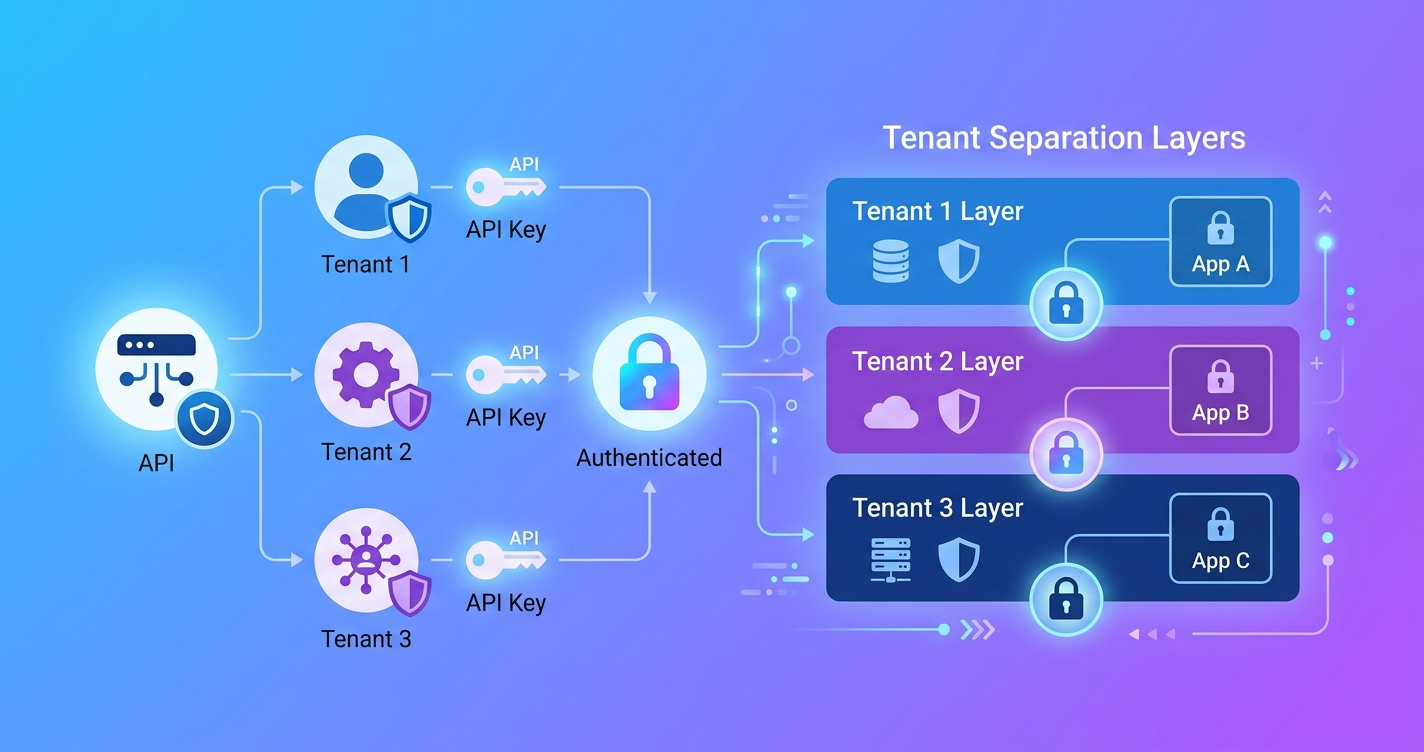
Learn how multi-tenant vitals API authentication and scoping works, from OAuth 2.0 token flows to tenant isolation patterns that keep health data where it belongs.

On-device vs cloud processing for vitals SDKs compared — latency, privacy, cost, and architecture trade-offs developers face when building camera-based health features in 2026.

Health SDK integration metrics tracking matters more than most teams realize. These seven measurements separate reliable vitals platforms from ones that silently degrade.

How to pass App Store and Google Play review with camera-based health features like rPPG vitals scanning — privacy, permissions, disclaimers, and submission strategies.

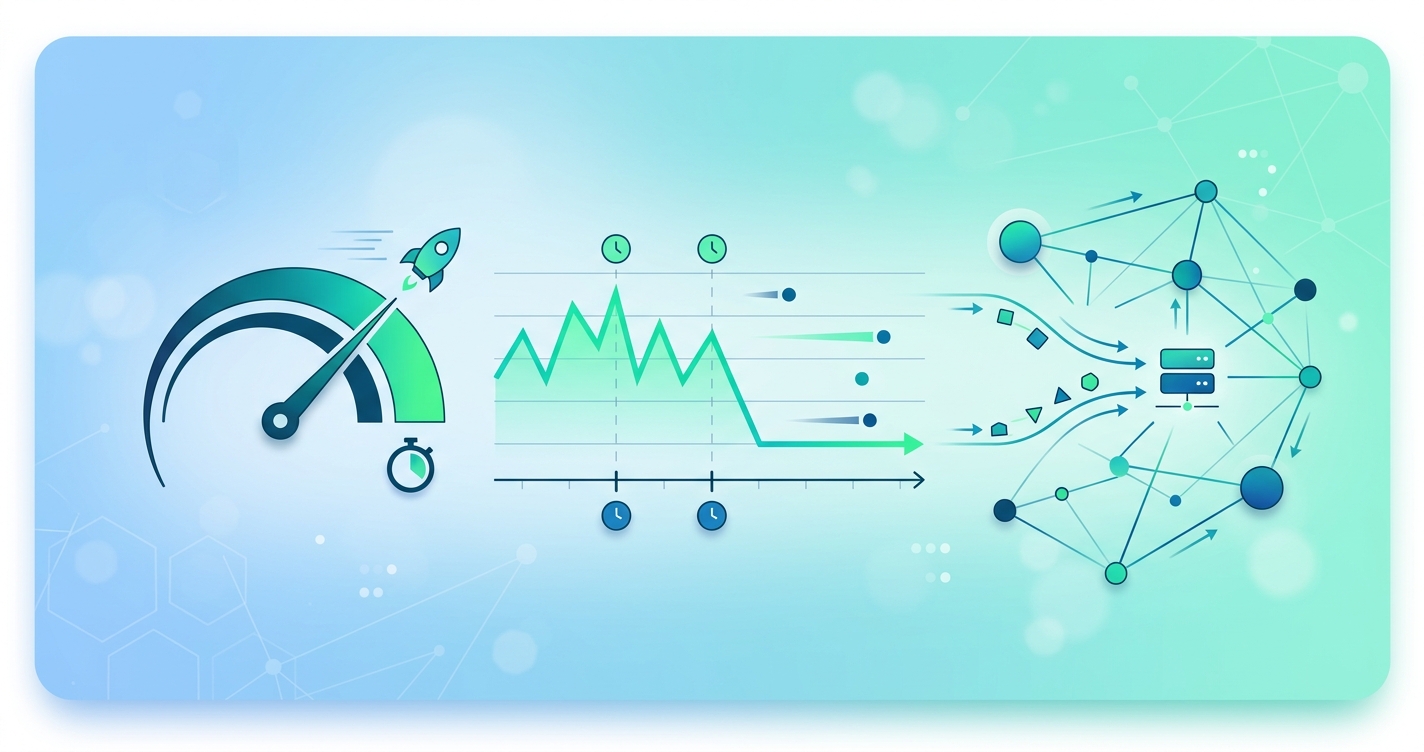
A technical guide to measuring and optimizing contactless vitals API latency, covering P50/P99 benchmarks, edge inference, and pipeline tuning for production health platforms.

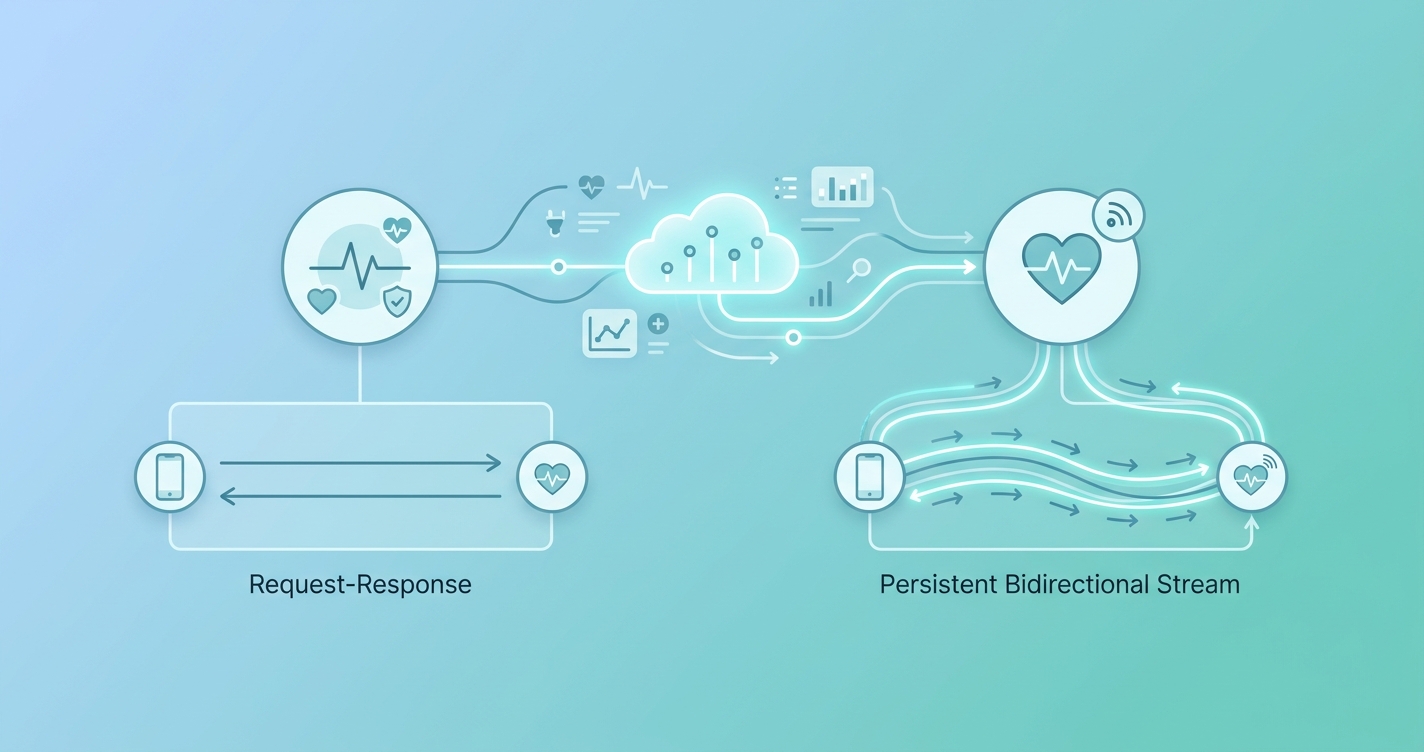
REST vs WebSocket for vitals streaming API integration — a practical comparison of latency, throughput, and architecture trade-offs for health platform developers in 2026.

A technical analysis of rPPG SDK integration in React Native apps, covering native module bridging, camera pipeline architecture, and performance considerations for contactless vitals in cross-platform mobile health applications.

An rPPG API lets developers extract heart rate, respiratory rate, and other vital signs from camera video feeds. This guide covers the architecture, endpoints, and real-world use cases.

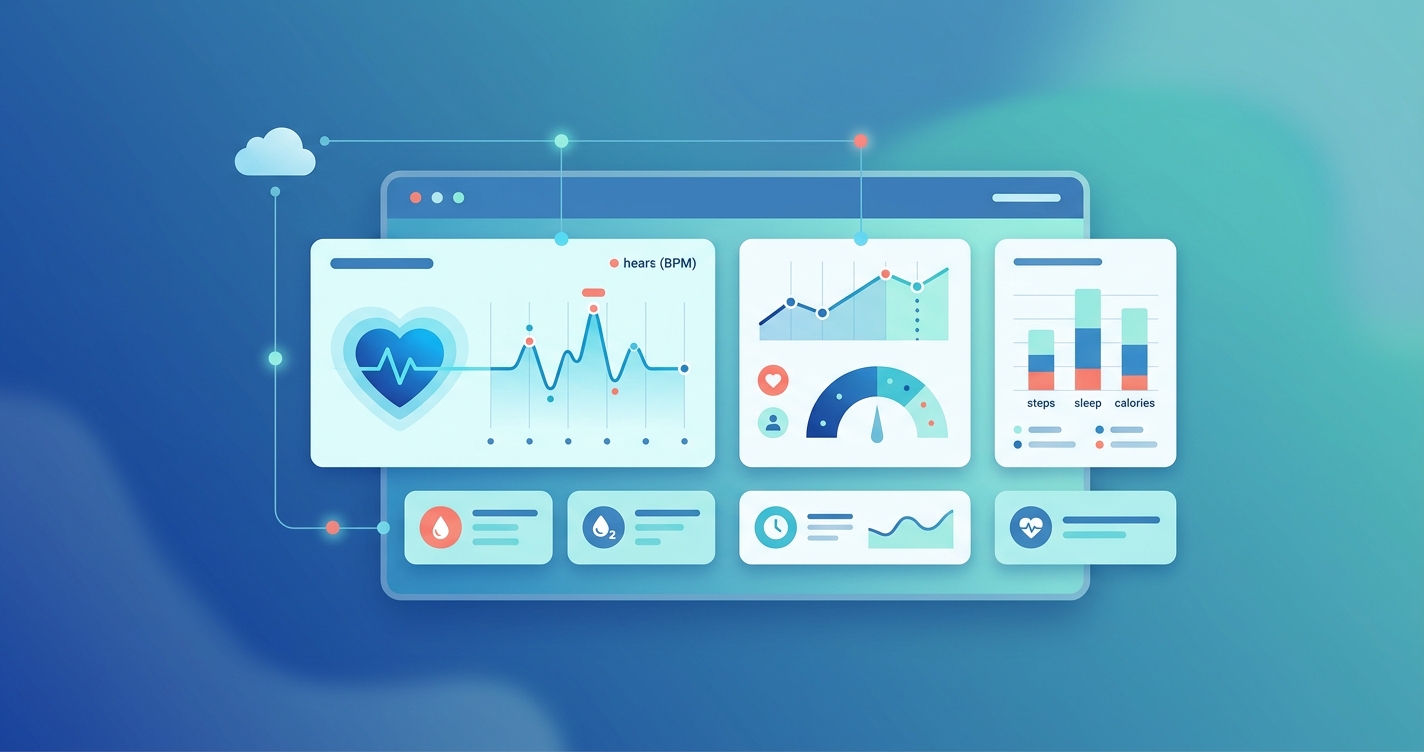
An engineering analysis of vitals dashboard architecture using the Circadify API, covering real-time data streaming, visualization patterns, and production deployment considerations.

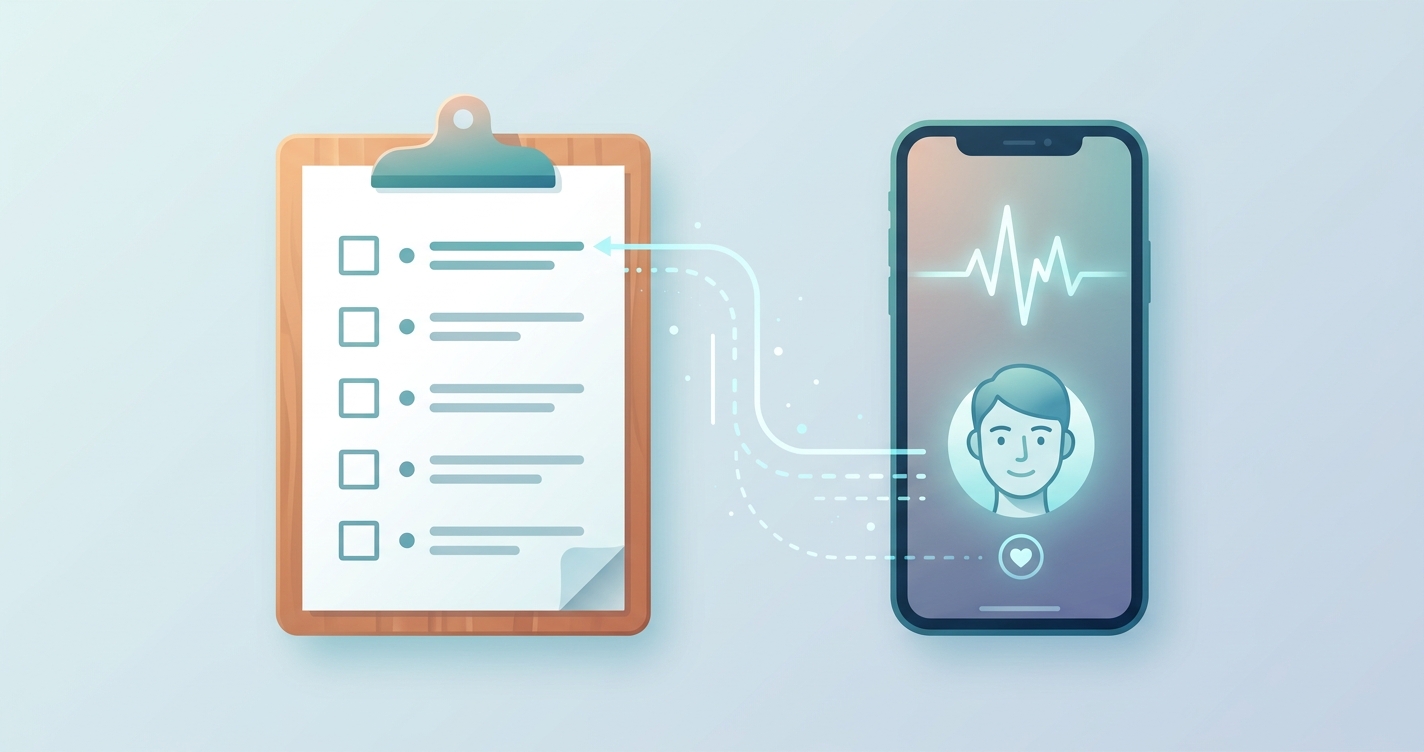
When off-the-shelf rPPG SDKs fall short, custom builds bridge the gap. Here's what engineering teams need to know before requesting a custom SDK build.

How large organizations deploy rPPG SDKs across thousands of users, covering multi-tenant architecture, regional compliance, edge processing, and infrastructure patterns that hold up at scale.

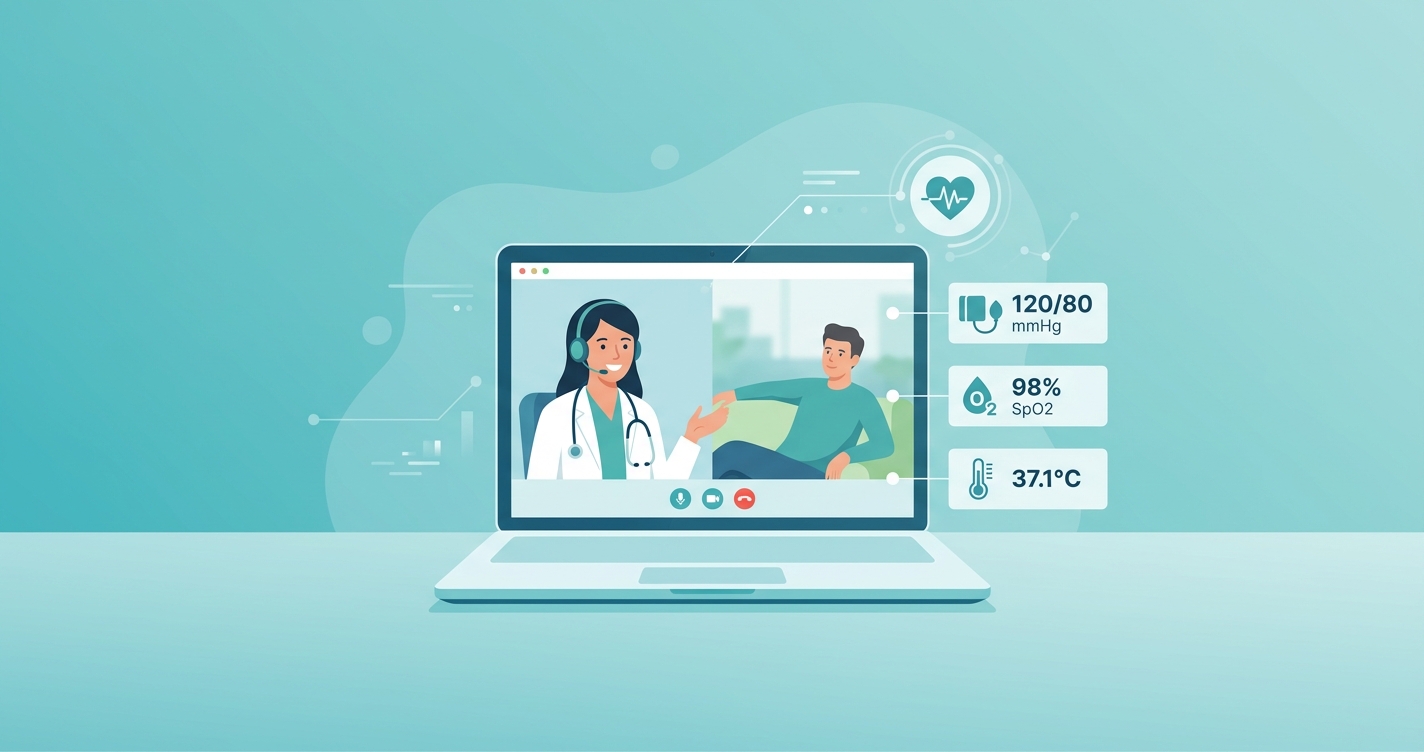
How telehealth platforms integrate contactless vital signs via rPPG SDKs, covering architecture decisions, FHIR compliance, and real-time vitals capture during video visits.

A detailed look at how rPPG SDK changelogs and migration guides shape developer adoption, reduce integration risk, and keep health platforms running smoothly through version updates.

How the Circadify SDK handles data privacy through on-device processing, minimal data collection, and compliance-ready architecture for HIPAA and GDPR.

How digital health startups integrate the Circadify rPPG SDK to add contactless vital signs to telehealth, wellness, and chronic care apps without building measurement infrastructure from scratch.

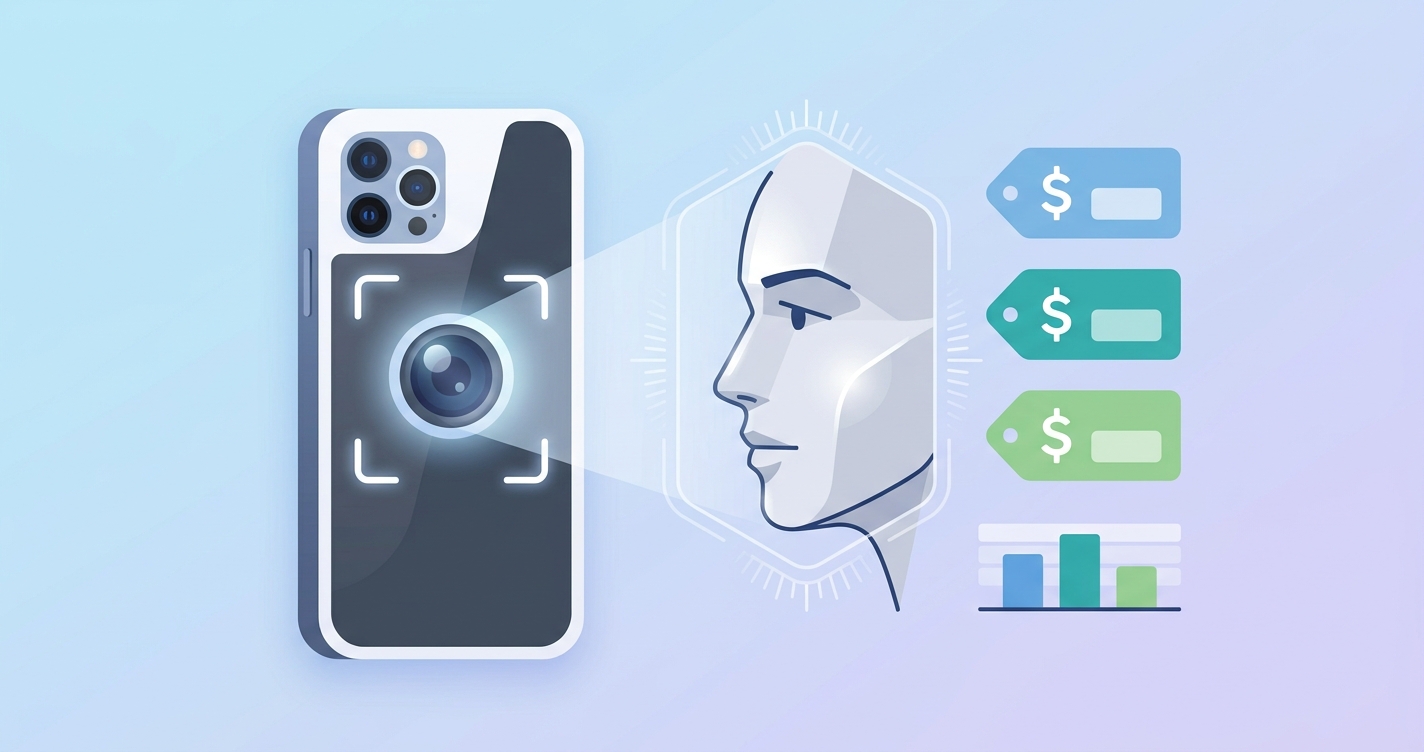
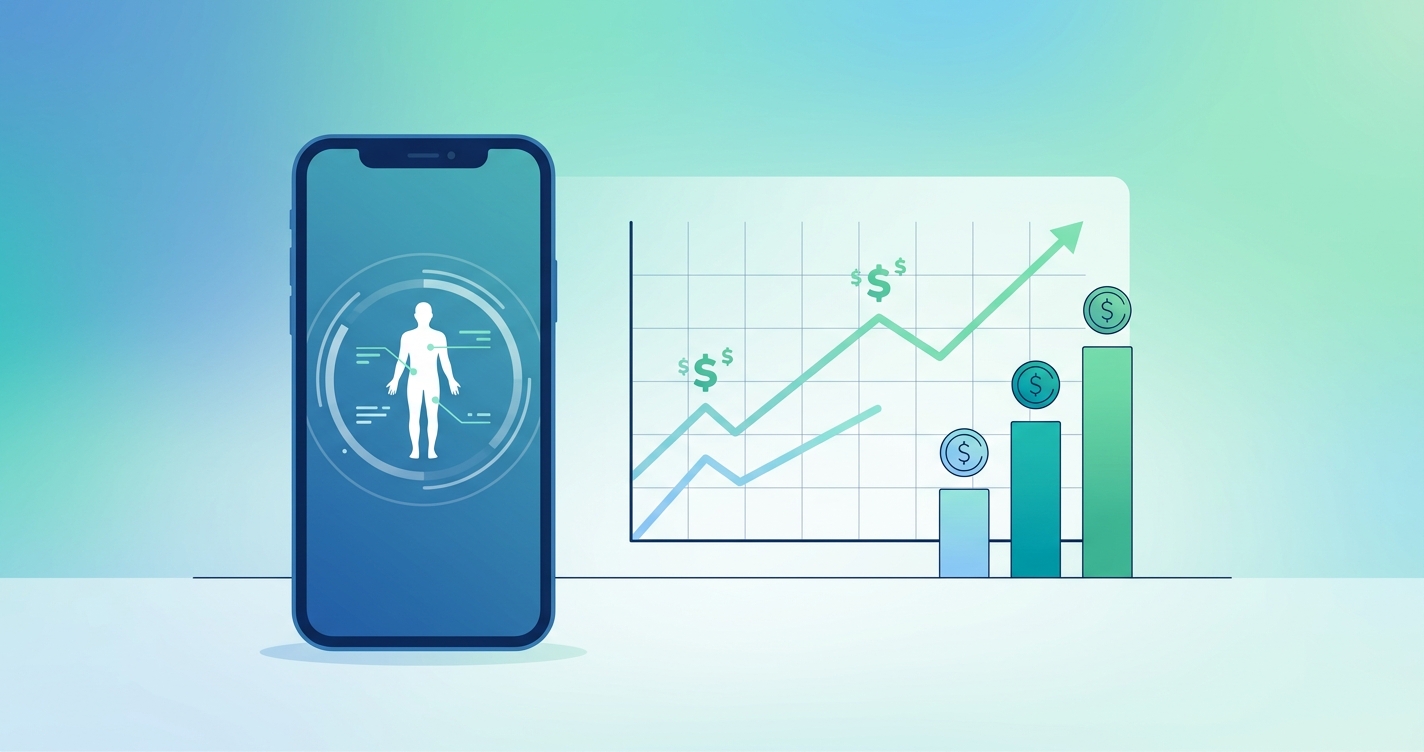
How health platforms monetize contactless vitals features through subscription tiers, RPM billing, insurance integrations, and SDK licensing models.

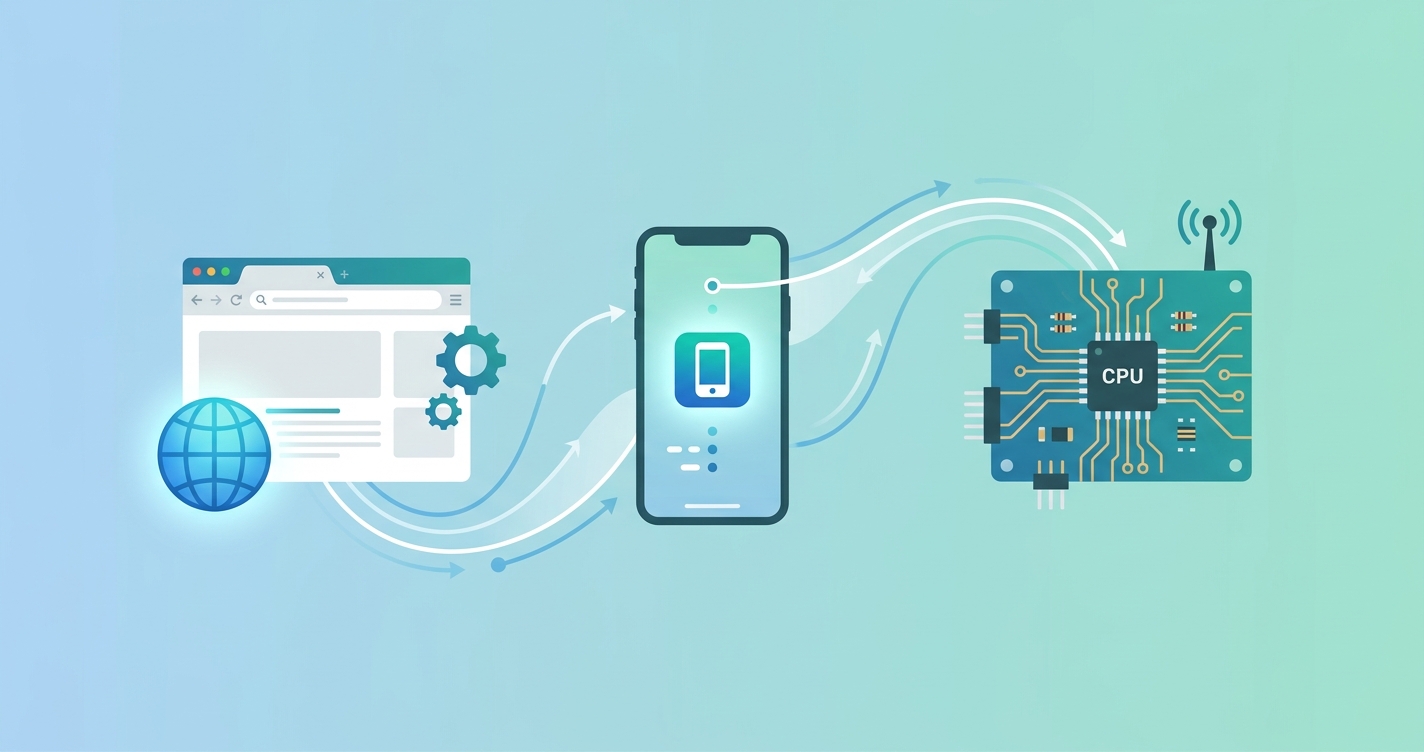
How multi-platform rPPG SDKs bring contactless vital signs to web browsers, mobile apps, and embedded devices — architecture tradeoffs, deployment realities, and what engineering leaders should know.

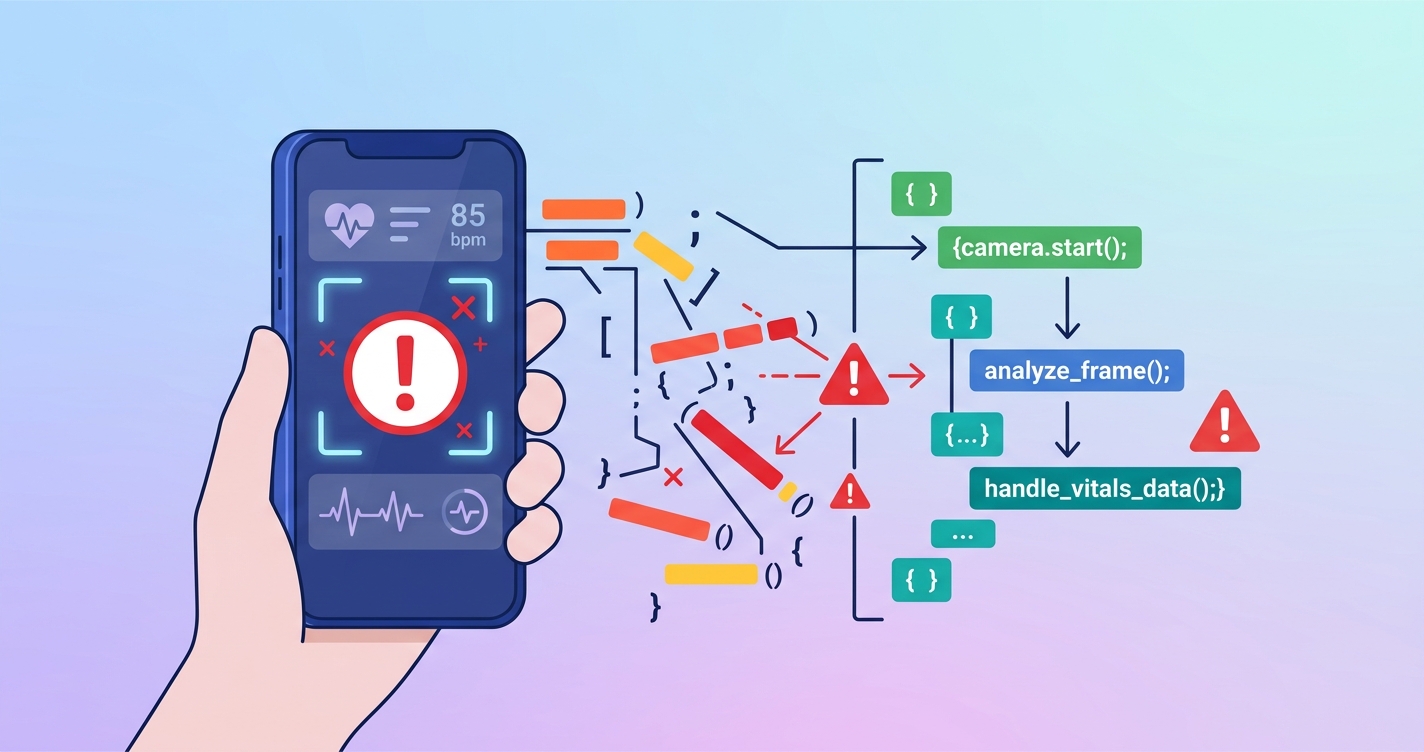
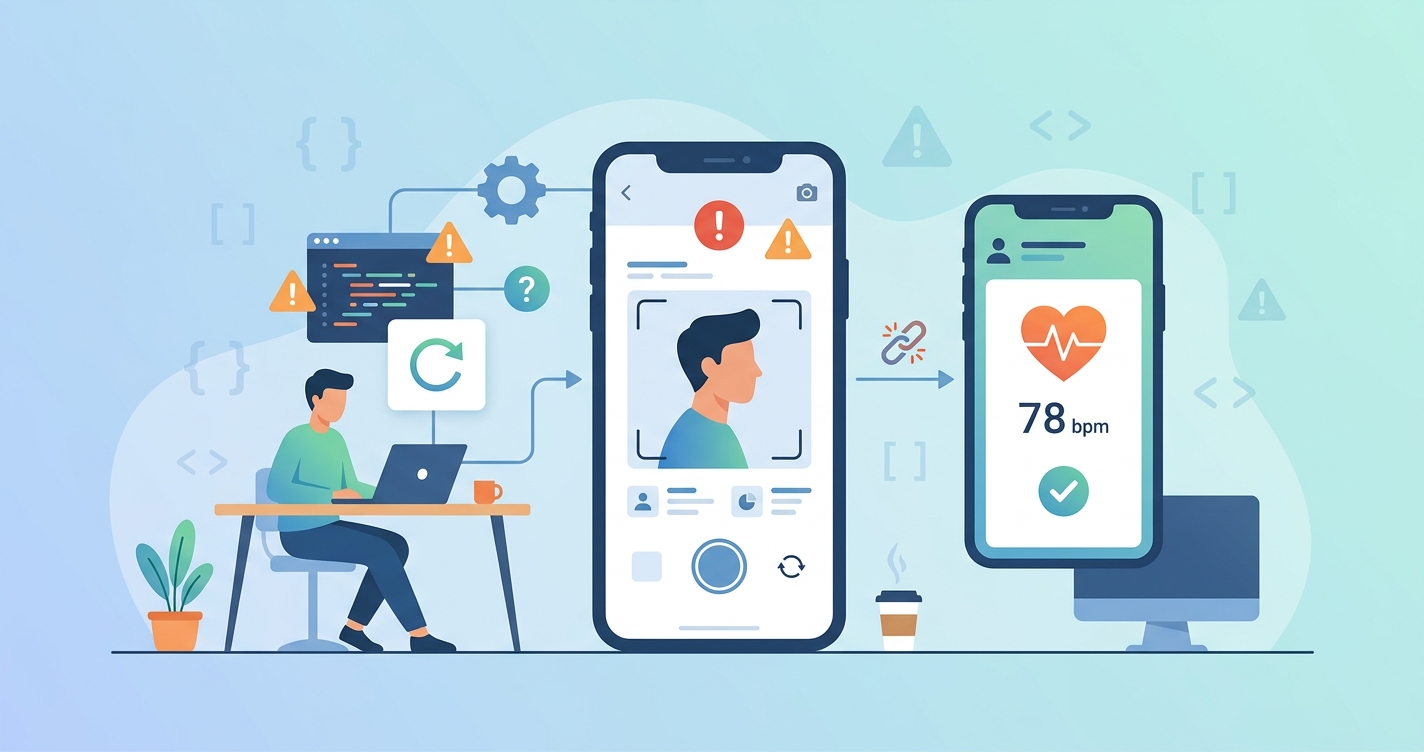
How production rPPG SDK integrations handle error states, edge cases, and signal failures — with patterns that keep vitals features reliable under real-world conditions.

How to optimize rPPG SDK performance on low-end mobile devices through model compression, adaptive pipelines, and resource-aware processing strategies.

A practical guide to testing vitals SDK and API integrations before production launch, covering signal validation, device coverage, edge cases, and compliance.

How health platforms build vitals-based user engagement features that drive retention, from stress scoring to daily check-in streaks and trend dashboards.

A developer-focused analysis of webhooks and real-time vitals streaming architectures, comparing WebSocket, webhook, and SSE patterns for health data integration.

A research-driven architectural analysis comparing white-label and API integration approaches for embedding physiological measurement into health platforms, examining the trade-offs in engineering cost, customization depth, time-to-market, and long-term maintenance that CTOs should evaluate.

An architecture-level analysis of rPPG SDK integration across iOS and Android platforms, examining the platform-specific considerations, abstraction strategies, and deployment patterns engineering leaders should evaluate when embedding contactless vitals into native mobile applications.

An architecture-level examination of custom health screening flow design using API-driven physiological measurement, covering data pipeline topology, session orchestration patterns, and the engineering trade-offs CTOs should evaluate when building screening workflows on the Circadify API.

A research-grade analysis of the Circadify rPPG SDK architecture, its signal processing pipeline, and the integration patterns engineering teams should evaluate before embedding contactless vitals into production applications.

An engineering analysis of the Circadify API architecture, covering endpoint design patterns, authentication mechanisms, rate limiting strategies, and the infrastructure considerations that CTOs and engineering leads should evaluate for production deployments.

An engineering-focused analysis of the architectural decisions, platform considerations, and integration patterns involved when teams add contactless vitals to applications using SDK-based approaches.