
Is it cheaper to build rPPG in-house or license it?
A cost-benefit analysis for engineering teams deciding between building a proprietary rPPG solution and licensing a third-party SDK. Explore the factors beyond cost.
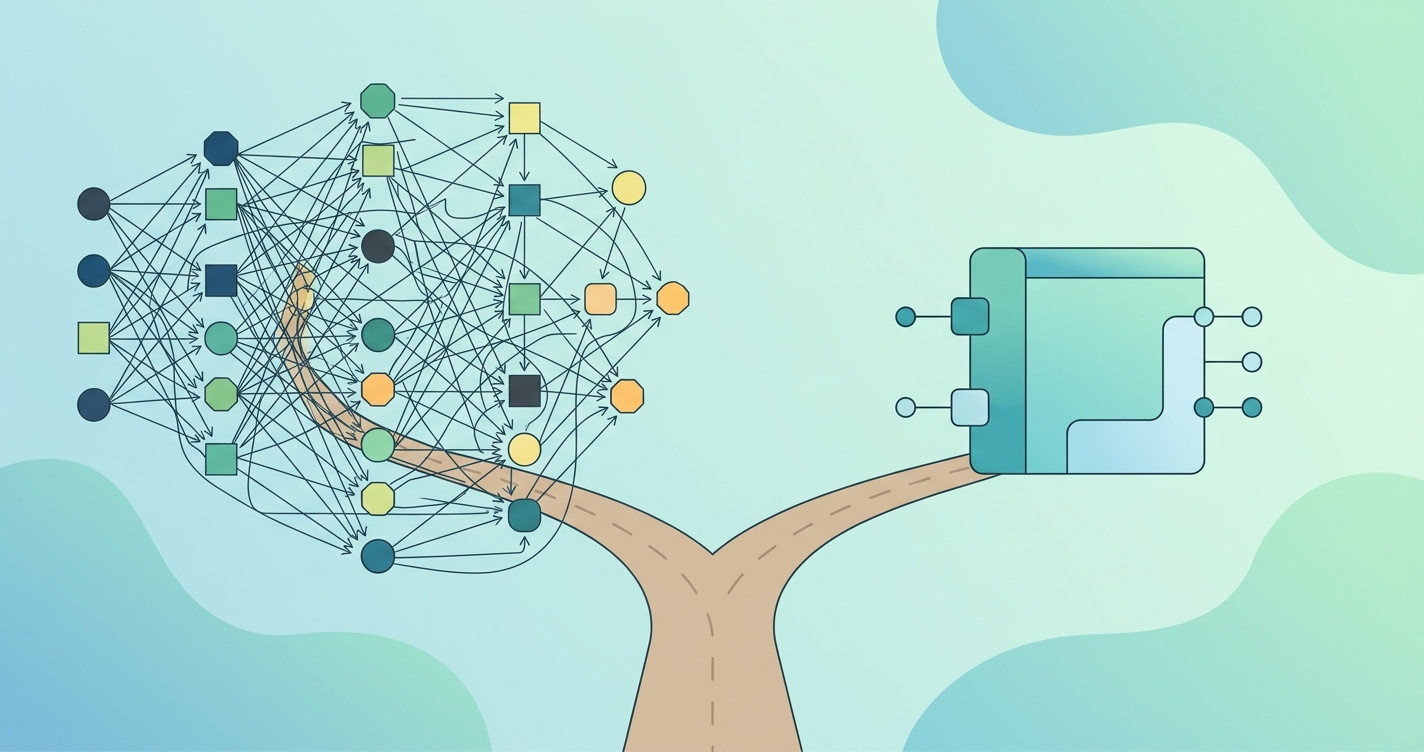
The decision to integrate remote photoplethysmography (rPPG) into a digital health application presents a critical fork in the road for engineering leaders and product strategists. Beyond the immediate technical challenges lies a fundamental business question: is it more cost-effective to build a proprietary rPPG solution from the ground up or to license a specialized, pre-built SDK? The answer is not merely about initial expenditure; it involves a complex analysis of talent acquisition, long-term maintenance, speed to market, and strategic focus. For many, the choice defines the product's trajectory and the company's competitive position in the rapidly expanding digital health market.
"In-house development costs for a computer vision system can range from $20,000 for basic systems to over $1,000,000 for advanced enterprise solutions, with ongoing maintenance adding 15-25% of the initial cost annually."
The core decision: build rPPG in-house vs license
For a development team, the choice to build rPPG in house vs license a solution is one of the most significant architectural and financial decisions they will make. Building in-house offers the allure of complete control and ownership of intellectual property. This path allows for infinite customization, tailoring the algorithm precisely to the unique hardware, user base, and environmental conditions of a specific application. The resulting IP can become a core asset, a differentiator that competitors cannot easily replicate. However, this control comes at a steep price. The costs extend far beyond writing code; they encompass assembling a highly specialized team of AI and machine learning engineers, whose salaries can range from $110,000 to over $400,000 annually, and investing in the substantial infrastructure required for data collection, annotation, and model training.
Licensing an rPPG SDK from a third-party vendor presents a contrasting model. It trades bespoke control for speed and predictability. Teams can often get a working prototype integrated in days, not the months or years required for in-house development. This dramatically accelerates the product roadmap, allowing companies to capitalize on market opportunities quickly. The cost structure shifts from a large, upfront capital expenditure to a more predictable operational expense, typically based on usage or a subscription tier. This approach also mitigates the significant risks associated with deep tech R&D, where a successful outcome is never guaranteed. The trade-off is a potential lack of deep customization and reliance on the vendor's development roadmap.
| Feature | Build In-House | License SDK |
|---|---|---|
| Initial Cost | Very High ($100k - $1M+) | Low to Moderate |
| Time to Market | 12-24+ months | 1-3 months |
| Required Expertise | Specialized AI/ML PhDs | Mobile/Web Developers |
| IP Ownership | Full ownership | None; vendor retains IP |
| Maintenance | 15-25% of initial cost annually | Included in license fee |
| Scalability | Requires dedicated DevOps | Managed by vendor |
| Risk | High (R&D, talent retention) | Low (proven technology) |
- Data & Talent: Building an rPPG system requires massive, diverse datasets for training and validation. This data must be carefully collected, cleaned, and annotated, a process that can cost anywhere from $10,000 to over $100,000.
- Hardware & Infrastructure: Training deep learning models is computationally expensive, necessitating significant investment in high-end GPUs and cloud computing resources.
- Regulatory Hurdles: The path to clinical validation and regulatory clearance for a novel medical algorithm is long, complex, and expensive. Licensed SDKs from established vendors may have already navigated parts of this process.
- Focus & Opportunity Cost: Every engineering hour spent reinventing the wheel of rPPG is an hour not spent on building the core application, user experience, and unique features that directly serve customers.
Industry Applications
The "build vs. license" decision impacts various sectors using rPPG technology. The right choice depends heavily on the company's core business and strategic goals.
Telehealth Platforms
For telehealth companies, speed and reliability are critical. Integrating a licensed, pre-validated rPPG SDK allows them to quickly add vital sign monitoring to their virtual consultation workflow. This enhances the diagnostic capabilities of remote visits without the massive R&D overhead, allowing them to focus on their core platform, physician experience, and patient management.
Wellness & fitness apps
In the consumer wellness space, engagement is key. While some large players may choose to build in-house to create a unique "biometric" experience, most fitness and mindfulness apps benefit from the fast integration of a licensed SDK. This allows them to add features like post-workout heart rate recovery or stress monitoring quickly, testing user adoption before committing to a larger R&D budget.
Insurtech & underwriting
The insurance industry requires data that is reliable and consistent for risk assessment. Licensing an rPPG solution from a reputable vendor provides a standardized measurement tool that can be deployed across a large population. Building in-house would require each carrier to become a medical device R&D company, a significant deviation from their core competency.
Current research and evidence
The academic and commercial pursuit of rPPG is robust, but it is a field fraught with challenges. Researchers consistently highlight the difficulty in mitigating variables that can corrupt the faint signal extracted from a video feed. A 2022 review in the Journal of Medical Internet Research emphasized that motion artifacts, even subtle head movements during a scan, remain a primary obstacle to achieving clinical-grade accuracy.
Furthermore, studies have shown that algorithm performance can vary significantly across different skin tones and under diverse lighting conditions, a major focus of research by teams at institutions like the University of Oxford and MIT (2023). Ensuring equity and robustness requires vast, diverse datasets for training and validation, a significant barrier to entry for teams attempting to build rPPG in-house. The signal-to-noise ratio is inherently low, and developing signal processing pipelines and deep learning models that can reliably isolate the blood volume pulse is a non-trivial scientific endeavor.
The future of rPPG development
The trajectory of rPPG technology is moving towards multi-task AI models that can measure a suite of vitals, like heart rate, blood pressure, respiration rate, and SpO2, simultaneously from a single video stream. This increases the complexity exponentially, pushing the boundary of what is feasible for most in-house development teams. As the technology matures, the regulatory landscape for camera-based diagnostic tools is also solidifying. Companies that license SDKs from vendors who are actively engaged in clinical validation and regulatory compliance will have a significant advantage, as they inherit the benefits of that complex and expensive work. The future favors a model where application developers focus on user experience and clinical workflow, using a specialized, licensed component for the underlying signal processing and measurement.
Frequently asked questions
What is the typical cost to build an rPPG solution in-house? Building a production-grade rPPG system in-house can cost from several hundred thousand to over a million dollars, factoring in salaries for a specialized AI team, data acquisition, and infrastructure. Ongoing maintenance and model retraining add 15-25% to this cost annually.
How long does it take to develop a production-ready rPPG system? Most estimates put the timeline for developing a robust, validated rPPG solution from scratch at 18-24 months, assuming you can recruit and retain the necessary talent. This does not include the time for clinical trials or regulatory submission.
What are the hidden costs of licensing an rPPG SDK? While generally more predictable, hidden costs can include integration support, customization fees if the standard SDK doesn't meet a specific need, and potential vendor lock-in. It's crucial to evaluate a vendor's long-term roadmap and support structure.
The decision to build or license an rPPG solution is a strategic one that extends beyond a simple cost comparison. For organizations aiming to integrate contactless vital sign monitoring quickly and reliably, licensing an SDK is often the most efficient path. Circadify is actively addressing this space by providing developers with robust tools to add rPPG capabilities to their applications. To learn more about our developer-focused solutions and explore our custom build options, visit our documentation at circadify.com/custom-builds.